Today we delve deeper into threats to wildlife in Florida with a research paper conducted by Emily Miller with the University of Miami in 2024. Much like the previous post, this paper, entitled, “Impact of Overpopulation in South Florida: Threats to Wildlife and Ecosystem Balance,” covers the impact that the increasing amount of land development due to the increase in the population of the state has on the biodiversity of wildlife. The paper is supported with data accumulated through the Pelican Harbor Seabird Station (PHSS). There is a YouTube and website link below if you would like to learn more about the organization.
Pelican Harbor Seabird Station
(147) Pelican Harbor Seabird Station – YouTube
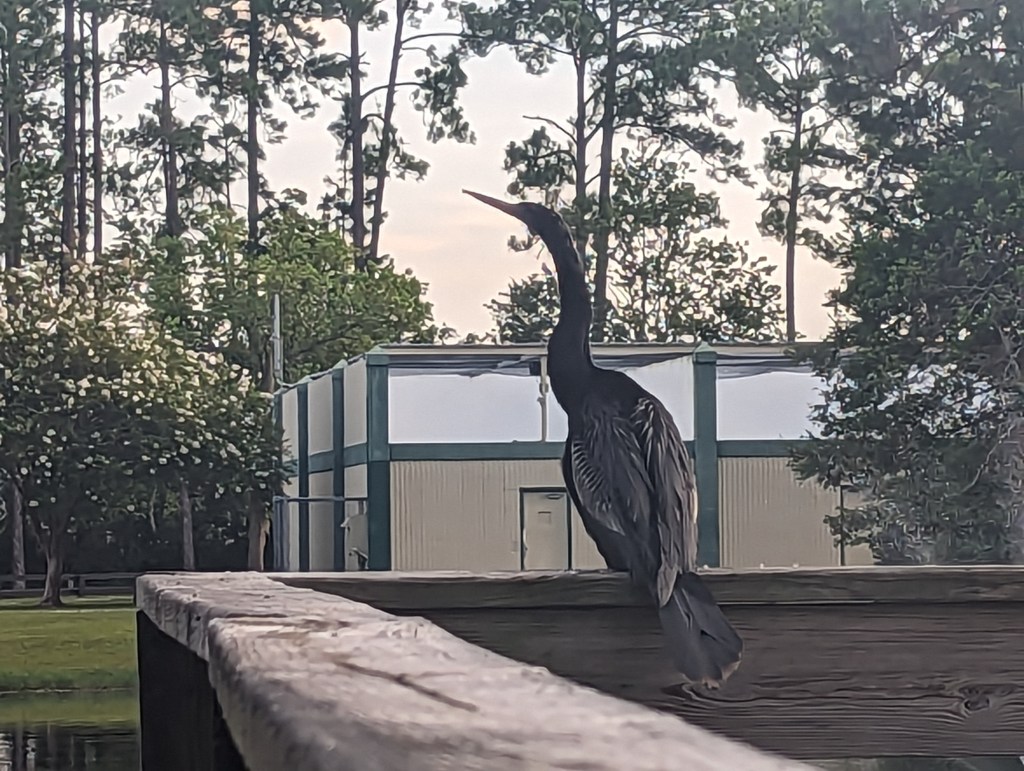
The paper opens up discussing the vast umbrella of the wildlife of Florida and the threat that the rapid development of the land has on it. A point is made about how important the rich biodiversity of Florida is to the state’s economy. The paper reports that “$4 million and about 45,000 jobs” come out of Florida’s wildlife annually.
PHSS is introduced as a non-profit organization dedicated to the rehabilitation and protection of Florida’s wildlife. The organization treats all sorts of species who are brought in by good samaritans to their hospital, and they keep track of the types of animals received, the method of injury, and the location of injury. The paper uses the data from the organization to create maps of hotspots around the Miami area in order to understand how land development and increasing populations may have an impact on the health and safety of wildlife.
The data gathered showed that avian creatures and Grey Squirrels were some of the most commonly admitted groups into the hospital due to injury or abandonment of babies. There is a lack of data when it comes to hotspots for roadside injuries of wildlife due to insufficient information being collected at drop-off by good samaritans or a failure to be brought in at all. Of the hotspot data collected, there is a higher volume of injured animals around major roadways or areas of high populations, but there is an assumption that this could be due to a larger chance for these animals to be found due to the higher population in the areas.
Continuing on, Miller touches on how development is impacting wildlife directly. The nature of highways, neighborhoods and other forms of infrastructure have been cutting across large areas of previously untouched land. This is creating sectioned off areas in which wildlife live. As Florida continues to develop, these sections continue to get smaller, forcing wildlife to be confined within cramped areas in which they must compete with others to survive on scarce resources or relocation. Relocation involves crossing over developed areas, such as neighborhoods or highways, and can lead to an increase in road accidents involving wildlife. Additionally, fragmentation leads to a trickledown effect of species decline. Large predators, such as the Florida panther or the Florida black bear, are at risk of extinction. Because of their scarce numbers, their prey ends up overpopulating. Overpopulation of prey leads to overgrazing of these fragmented areas of land, which leads to higher chance of wildlife needing to relocate.
Another factor putting wildlife at risk is the introduction of invasive species, particularly invasive plants that are brought in by tourists or new residents. These plants compete with non-invasive or native plants and intensify the challenges that the ecosystem is already facing by creating a threat of being pushed out.
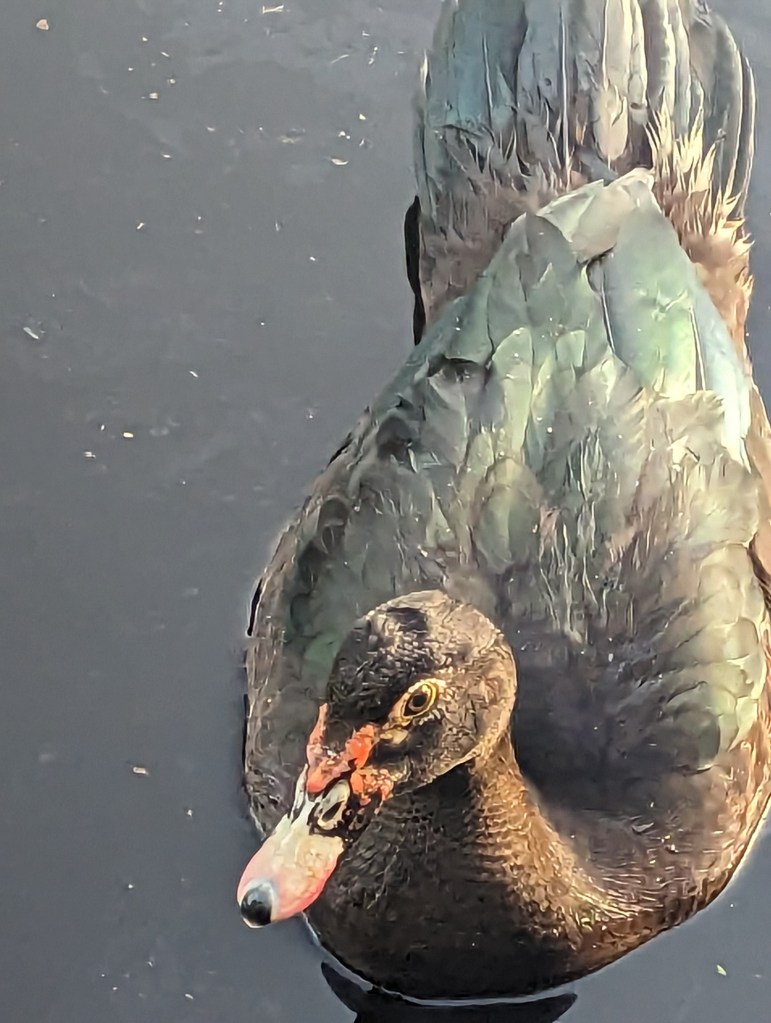
The best way to be able to help Florida’s wildlife is to drive safely, keep an eye out of injured animals or animals in need, and help eradicate invasive species from Florida’s ecosystem. Interested parties can donate or volunteer with organizations like PHSS.
For further readings, the following are recommended:
Effects of Overpopulation – Wildlife
How Overpopulation Leads to Habitat Loss and Mass Extinction
 Save the Green: Deforestation in Florida
Leave a comment